Online slots beginne
What Exactly Are Online Slots?
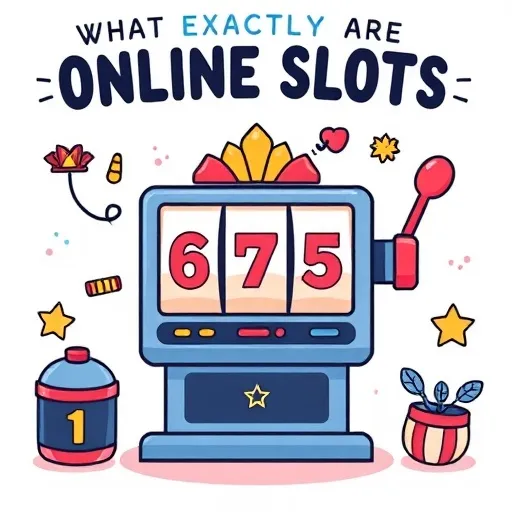
If you're just getting into the world of digital casino games, learning how to play online slots for beginners starts with understanding what you're actually looking at. At their core, online slots are digital versions of the classic slot machines you'd find in physical casinos. You spin a set of reels, and if certain symbols line up in a winning pattern, you get paid out. The digital format opens up a lot more variety, though — modern games come with animated themes, bonus rounds, interactive mini-games, and creative mechanics that simply weren't possible on old mechanical machines.
In 2026, the industry has evolved significantly. Games now run on sophisticated random number generators (RNGs) that ensure every spin is independent and fair. Many jurisdictions require regular audits by independent testing agencies, so the outcomes are verifiably random. Understanding this basic foundation is your first step toward playing confidently — and it's a key part of how to play online slots for beginners without getting overwhelmed.
The Basic Anatomy of a Slot Game: Reels, Paylines, and Symbols
Before you start spinning, it helps to know what you're looking at on screen. Here are the key components:
- Reels: The vertical columns that spin. Most modern games use five reels, though three-reel classics still exist.
- Paylines: The lines on which matching symbols must land to create a win. Some games offer fixed paylines, while others let you choose how many to activate.
- Symbols: The icons on the reels. These include standard symbols, wilds (which substitute for others), and scatters (which often trigger bonus features).
- Paytable: A reference chart showing what each symbol combination pays. Always check this before playing a new game.
- Return to Player (RTP): A percentage that indicates how much a game pays back over time. A 96% RTP means that, theoretically, the game returns 96% of all wagered money over millions of spins.
- Volatility: How often and how much a game pays. Low volatility means frequent small wins; high volatility means rare but potentially larger wins.
Getting comfortable with these terms is a huge part of how to play online slots for beginners — once you know the paytable and RTP, you're already ahead of most new players.
Choosing a Reputable Platform with Valid Licensing and Regulation
This is arguably the most important step when you're learning how to play online slots for beginners. The quality of your experience depends heavily on where you play. In 2026, the market is crowded, and not every operator is created equal. Always verify that a platform holds a valid license from a recognized regulatory body. Legitimate operators display their licensing information clearly, usually in the footer of their website. This isn't just a formality — it means the platform is subject to oversight, and your funds and personal data are protected by law.
A good platform partners with multiple established software providers, which means you'll have access to a diverse library of games. Look for a site that offers hundreds or even thousands of titles across different themes, volatility levels, and mechanics. Check what deposit and withdrawal options are available too — in 2026, most reputable platforms support e-wallets, bank transfers, and digital payment services. Pay attention to withdrawal processing times, and spend a few minutes reading user reviews about customer support and payout reliability. A platform with a strong reputation among players is generally a safer bet.
Understanding Paytable, RTP, and Volatility Before You Spin
Once you've found a platform you trust, it's time to explore the game library. But don't just jump in blindly — this is where how to play online slots for beginners really matters. Every game has a paytable that outlines symbol values, payline structures, and bonus features. This is your roadmap. The RTP is equally important — most quality games publish this figure. In 2026, the average RTP for online slots hovers around 96%, though it varies by game. Anything above 96% is generally considered favorable for players.
Volatility (sometimes called variance) tells you what kind of experience to expect. If you prefer steady, smaller wins, go for low-volatility games. If you're chasing bigger payouts and don't mind longer dry spells, high-volatility games might suit you better. Many platforms categorize games by volatility, making it easy to find what fits your style. And here's a pro tip for how to play online slots for beginners: most reputable platforms offer a free demo mode. This lets you spin without risking real money, which is perfect for getting a feel for the mechanics, bonus features, and pacing of a game before committing any funds.
Setting a Budget and Managing Your Bankroll Responsibly
This might not be the most exciting part of learning how to play online slots for beginners, but it's the most important. Responsible bankroll management is the foundation of enjoyable play. Here's a simple framework:
- Decide on a total budget before you start — an amount you're comfortable losing entirely.
- Set a per-session limit so you don't burn through your budget too quickly.
- Choose bet sizes accordingly. A common rule of thumb is to bet 1–2% of your total bankroll per spin.
- Take breaks. It's easy to lose track of time when you're having fun. Set a timer if needed.
- Never chase losses. If you've hit your limit, stop. The reels will still be there tomorrow.
Most regulated platforms in 2026 offer built-in tools like deposit limits, session timers, and self-exclusion options. Use them — they exist to help you stay in control, and they're a big part of how to play online slots for beginners the smart way.
Placing Your First Bet and Exploring Free Spins and Bonus Rounds
Ready to spin? Here's a quick walkthrough: create an account on your chosen platform and complete any required verification steps, make a deposit using one of the available payment methods, navigate to the slot game you want to play, adjust your bet size using the controls at the bottom of the screen, then hit the spin button. If you want to speed things up, look for autoplay or turbo features (but use them responsibly). When a winning combination lands on an active payline, your payout is calculated automatically and added to your balance.
One of the most exciting aspects of modern online slots is the bonus features. Free spins are triggered by landing a certain number of scatter symbols, letting you spin without deducting from your balance — and many games include multipliers during free spin rounds. Wild symbols substitute for other symbols to help complete winning combinations, and some games feature expanding wilds or sticky wilds. Bonus rounds are interactive mini-games that can award cash prizes, multipliers, or additional free spins. Some games even link together to form a progressive jackpot that grows with every wager placed across the network. Always read the game's rules and paytable to understand how bonus features are triggered — knowing the specifics is essential when you're figuring out how to play online slots for beginners.
Key Slot Terminology: Scatter, Multiplier, Hit Frequency, and House Edge
The online slots world comes with its own vocabulary, and familiarizing yourself with these terms makes it easier to navigate game rules and platform features. A spin is a single round of play. Bet per spin is the total amount wagered on a single spin. A payline is a line across the reels where matching symbols must land to win. A scatter often triggers bonus features regardless of its position. A multiplier increases your winnings (a 2x multiplier doubles your payout). Hit frequency is how often a game produces a winning combination. The house edge is the mathematical advantage the platform holds over time (essentially 100% minus the RTP). And autoplay lets you set a predetermined number of automatic spins. Mastering this lingo is a shortcut to how to play online slots for beginners with real confidence.
Playing Responsibly and Avoiding Common Beginner Mistakes
Online slots are entertainment — nothing more, nothing less. They're not a way to make money or solve financial problems. Approach them the same way you'd approach any other leisure activity: with a budget you're comfortable with and a mindset focused on fun. In 2026, the industry has made significant strides in promoting responsible play. Reputable platforms offer tools like reality checks, loss limits, and time-out periods. If you ever feel like your play is becoming a problem, reach out to the platform's support team or a responsible gaming organization.
Learning from others' missteps can save you time and frustration. Ignoring the paytable — jumping into a game without understanding symbol values and bonus triggers — is a recipe for confusion. Playing beyond your budget and chasing losses rarely works and often makes things worse. Not checking withdrawal terms matters too, since some bonuses come with wagering requirements that must be met before you can withdraw winnings. And overlooking volatility can lead to quick losses if you pair a high-volatility game with a small bankroll. If you're serious about how to play online slots for beginners the right way, treat your budget as money spent on entertainment, avoid playing when you're emotional or tired, and keep track of your playtime and spending. Take your time, explore different games, and don't be afraid to use demo modes to learn the ropes — before long, you'll be navigating the reels like a seasoned player. The best approach to how to play online slots for beginners is one that prioritizes fun, responsibility, and staying in control.